


Picking the Perfect Lights for Your Yard
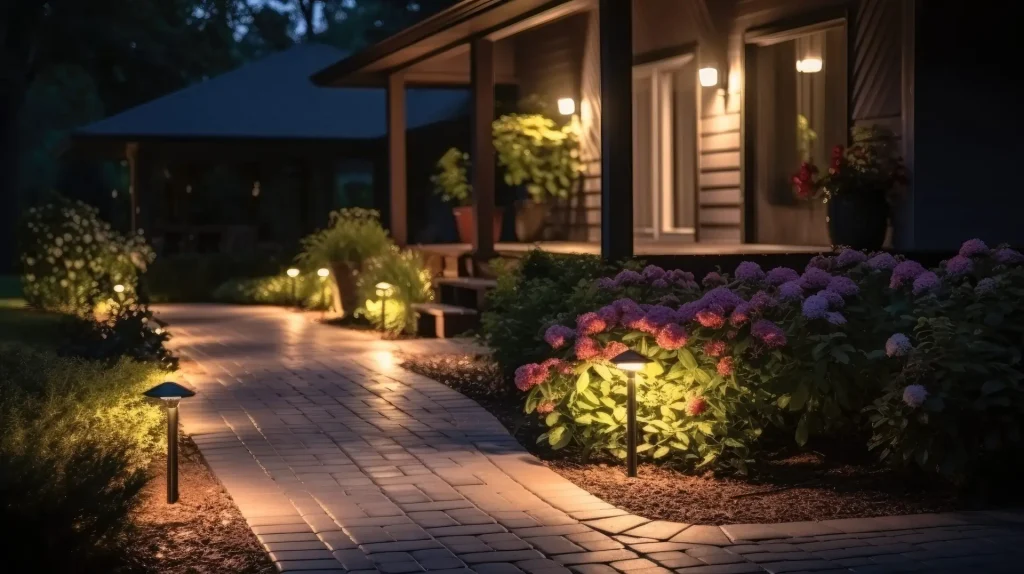
When it comes to outdoor lighting, choosing the right fixtures and layout can completely transform your home. The perfect lighting not only makes your yard more beautiful—it enhances safety, highlights architecture, and even increases property value. As a professional landscape lighting designer, I’ve seen countless homeowners struggle with picking the right lights. Here’s how to make it simple, elegant, and effective. 1. Understand Your Goals Before you start buying fixtures, think about what you want your lighting to accomplish: Safety & security: Illuminate pathways, steps, and dark corners. Curb appeal: Highlight your home’s best features—brickwork, trees, water features. Mood & ambiance: Create cozy patios, relaxing garden nooks, or dramatic nighttime effects. Knowing your goals upfront ensures your choices aren’t just pretty—they’re purposeful. 2. Choose the Right Light Type Different fixtures serve different purposes. Here’s a quick guide: Spotlights: Perfect for highlighting trees, statues, or architectural details. Path lights: Keep walkways safe while adding subtle charm. Floodlights: Bright coverage for driveways and larger areas—but be careful not to overwhelm. Accent lights: Small lights that add depth and drama, like under railings or in flower beds. Color-changing lights: Great for seasonal flair, entertaining, or personalizing your space. Pro tip: Combining multiple light types often gives the most natural, layered look. 3. Pick the Right Color Temperature Lighting isn’t just about brightness—it’s about tone: Warm white (2700K–3000K): Classic, inviting, and elegant. Perfect for front yards and patios. Cool white (4000K–5000K): Crisp and modern, works well for contemporary designs. Color-changing RGB: Offers flexibility for holidays, events, or playful effects. A professional designer can mix these tones for visual balance, avoiding harsh glare or overly dim areas. 4. Consider Scale & Placement Even the best lights fail if they’re the wrong size or poorly positioned. Scale: Lights should complement your home’s size. Tiny fixtures can look lost on a large home; huge fixtures can overpower a small garden. Placement: Avoid placing lights too close to walls or plants—they’ll create harsh shadows or uneven lighting. Layering: Use multiple layers of lighting—uplights, downlights, and path lights—to create depth. 5. Don’t Forget Energy & Maintenance Choosing quality fixtures upfront saves money and headaches later: LED lights are energy-efficient and long-lasting. Stainless steel or powder-coated fixtures resist rust and weathering. Professional installation ensures proper wiring, safe connections, and even coverage. Cheap solar lights may be easy to install, but they rarely provide consistent brightness or longevity. 6. Work With a Professional Landscape lighting is an art and a science. A professional designer can: Create a custom lighting plan that suits your home’s architecture and landscape. Balance aesthetics, safety, and efficiency. Avoid costly mistakes, like uneven lighting, glare, or over-illumination. Investing in professional design doesn’t just make your home look amazing—it increases its value and protects your investment. Final Thoughts Picking the perfect lights for your yard is more than just buying fixtures. It’s about creating a cohesive, layered design that enhances beauty, safety, and enjoyment. With the right guidance, your yard can go from ordinary to magical at night. Ready to transform your home? Contact Willow Tree Landscape Lighting, a professional landscape lighting designer, so we bring your vision to life.
Easy Upgrades to Make Your Patio or Garden Shine
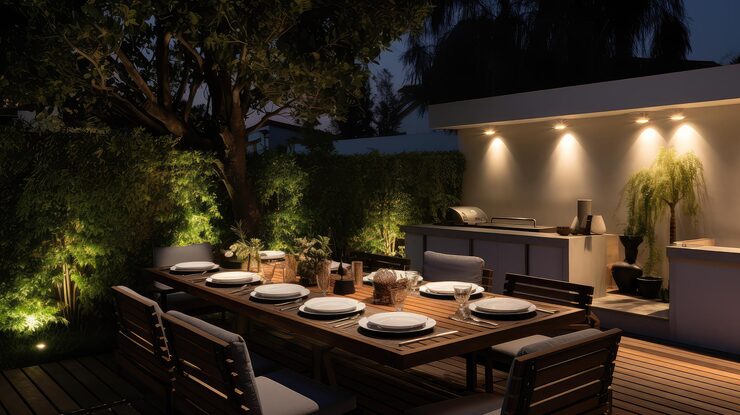
Creating a beautiful outdoor space doesn’t require a full renovation. With a few strategic upgrades—especially in lighting—you can transform your patio into a welcoming, functional, and visually stunning extension of your home. As a professional landscape lighting designer, I can tell you: the difference between a “nice yard” and a show-stopping outdoor space comes down to the details. Below are easy, high-impact upgrades that will instantly make your patio or outdoor living area shine. ⸻ 1. Upgrade to Professional Landscape Lighting The biggest transformation you can make—hands down. Most homeowners rely on cheap solar lights that fade quickly and produce uneven, harsh light. Professionally installed low-voltage lighting creates: •Even, warm illumination (no glare) •Highlighted architectural and landscape features •A clean, high-end look Focus on: •Pathway lighting •Uplighting for trees and structures •Downlighting for a natural moonlight effect This alone can completely redefine your outdoor space at night. ⸻ 2. Add Warm Ambient String Lighting String lights are one of the easiest and most affordable upgrades. •Creates instant ambiance •Perfect for entertaining •Soft, warm glow (look for 2700K–3000K color temperature) Pro tip: Avoid messy layouts—keep lines clean and intentional for a designer look. ⸻ 3. Install Step and Deck Lighting This upgrade is about both style and safety. •Illuminates elevation changes •Prevents trips and falls •Adds a sleek, modern touch Recessed lights or under-cap lighting on steps and railings create a polished finish. ⸻ 4. Highlight Key Features (Don’t Light Everything) A common mistake: over-lighting. Instead, focus on: •Trees •Stonework •Outdoor kitchens •Water features Accent lighting draws the eye and creates depth, making your space feel larger and more dynamic. Less is more—when it’s done right. ⸻ 5. Create Zones with Lighting Think of your patio like rooms inside your home. Use lighting to define: •Dining area •Lounge space •Walkways •Entry points This layered lighting approach makes your outdoor space feel intentional and well-designed rather than randomly lit. ⸻ 6. Upgrade Fixtures & Materials Cheap fixtures don’t last—and they show. Invest in: •Brass or copper fixtures (long lifespan) •Commercial-grade LED bulbs •Lifetime warranty systems Quality lighting not only looks better—it performs better for years. ⸻ 7. Add Smart Controls & Timers Modern outdoor lighting should be effortless. •Automatic timers •App-controlled systems •Dimming options This ensures your home always looks great—without you thinking about it. ⸻ 8. Incorporate Fire Features or Accent Glow Fire and lighting go hand in hand. •Adds warmth and atmosphere •Creates a natural gathering point •Elevates the entire experience Even a small fire feature can dramatically improve your patio’s appeal. ⸻ Why Outdoor Lighting Is the Game-Changer When done correctly, outdoor lighting: •Boosts curb appeal •Increases property value •Enhances safety and security •Extends usable outdoor hours Most importantly—it makes your home feel alive at night instead of disappearing into the dark. ⸻ Final Thoughts You don’t need a complete overhaul to create a stunning outdoor space. With the right lighting and a few smart upgrades, your patio can become the highlight of your home. If you want a truly polished look, working with a professional landscape lighting designer ensures your system is: •Balanced •Glare-free •Built to last
How to Evaluate Online Sources and Test Web Links Safely
The internet makes it easy to find information, but accessibility does not guarantee accuracy. A polished webpage may contain outdated claims, unclear authorship, or commercial material presented as neutral guidance. Evaluating online sources requires a few consistent habits: identifying who produced the content, checking when it was published, comparing important claims with independent evidence, and examining whether the page clearly separates fact from opinion. Start with the Source The first question is not whether a page looks professional, but who is responsible for it. Look for an author, organization, editorial policy, contact information, and a clear description of the site’s purpose. Government agencies, universities, professional associations, newsrooms, and established research institutions often provide useful material, although no category is automatically reliable. Anonymous pages deserve additional scrutiny, particularly when they make strong claims about health, finance, politics, or public safety. A named author may still be mistaken, but identifiable expertise makes it easier to assess qualifications and accountability. It is also worth checking whether the author’s expertise matches the subject. A writer with experience in software development, for instance, may not be a suitable authority on medical treatment. Check Dates and Supporting Evidence Publication and revision dates can change the meaning of online information. Technical instructions may become obsolete after a software update, while statistics can lose relevance as conditions change. Some pages display a recent date without indicating whether the underlying research has actually been reviewed or updated, so readers should inspect the text for references to current data and standards. Reliable articles generally explain how their conclusions were reached. They may cite research papers, official records, datasets, court documents, or statements from qualified specialists. Citations do not prove that every claim is correct, but they make verification possible. Follow the references when a statement is particularly important, and compare the original material with the way it has been summarized. Recognize Persuasive Presentation Design can influence judgment. Dramatic headlines, urgent language, excessive capitalization, and emotionally charged images are often used to encourage immediate reactions. Advertising may also be blended into editorial material through sponsored articles, affiliate links, or testimonials. These features do not automatically invalidate a page, but they should prompt a more careful reading. Pay attention to what is missing. A source that presents benefits without acknowledging limitations may be selective, even if its individual statements are technically true. Similarly, a statistic without a sample size, date, or comparison point can create a misleading impression. Strong reporting usually provides enough context for readers to understand uncertainty rather than hiding it. Use Neutral Pages for Technical Checks Web links also need to be evaluated as technical objects. A link may lead to a missing page, redirect through several addresses, display different content on mobile devices, or require permissions that prevent ordinary visitors from opening it. When building or maintaining a website, editors can test links in more than one browser and check both the visible destination and the response received by the server. A neutral placeholder is useful when checking whether a page renders correctly or whether a link is being recognized by a content-management system: test provides a simple label for that kind of verification. The check should confirm that the destination is intentional, the wording accurately describes it, and the surrounding page gives readers enough context before they follow it. Compare Before Sharing Before sharing a claim, seek confirmation from multiple independent sources. Independence matters: several pages repeating the same press release are not equivalent to separate investigations. Compare wording, evidence, dates, and the qualifications of the people making the claims. If credible sources disagree, describe the disagreement rather than presenting one position as settled without explanation. Careful evaluation does not require distrust of everything online. It means matching confidence to evidence, recognizing incentives, and allowing time for verification when the consequences of an error are significant. These habits make online research more dependable and help readers distinguish useful information from material that merely appears authoritative.